
Why construction businesses finance their equipment
The construction sector is uniquely capital-intensive, often requiring millions of dollars in heavy machinery before a single dollar is earned on a new project. Traditional property-secured loans are often too slow or rigid for the fast-paced nature of civil and residential building. Asset-based finance allows construction firms to use the equipment itself as security, preserving working capital for materials and wages. Lenders in this space typically focus on the durability and resale value of the machinery, alongside the firm's pipeline of contracted work. The main trade-off is often between the lower interest rates of major banks and the faster approval speeds and higher leverage offered by specialist non-bank equipment financiers. By comparing multiple providers, construction businesses can balance these factors to maintain a modern, efficient fleet without over-extending their balance sheet or tying up residential property assets.
Common funding scenarios for construction businesses
- Upgrading earthmoving equipment for new civil contracts
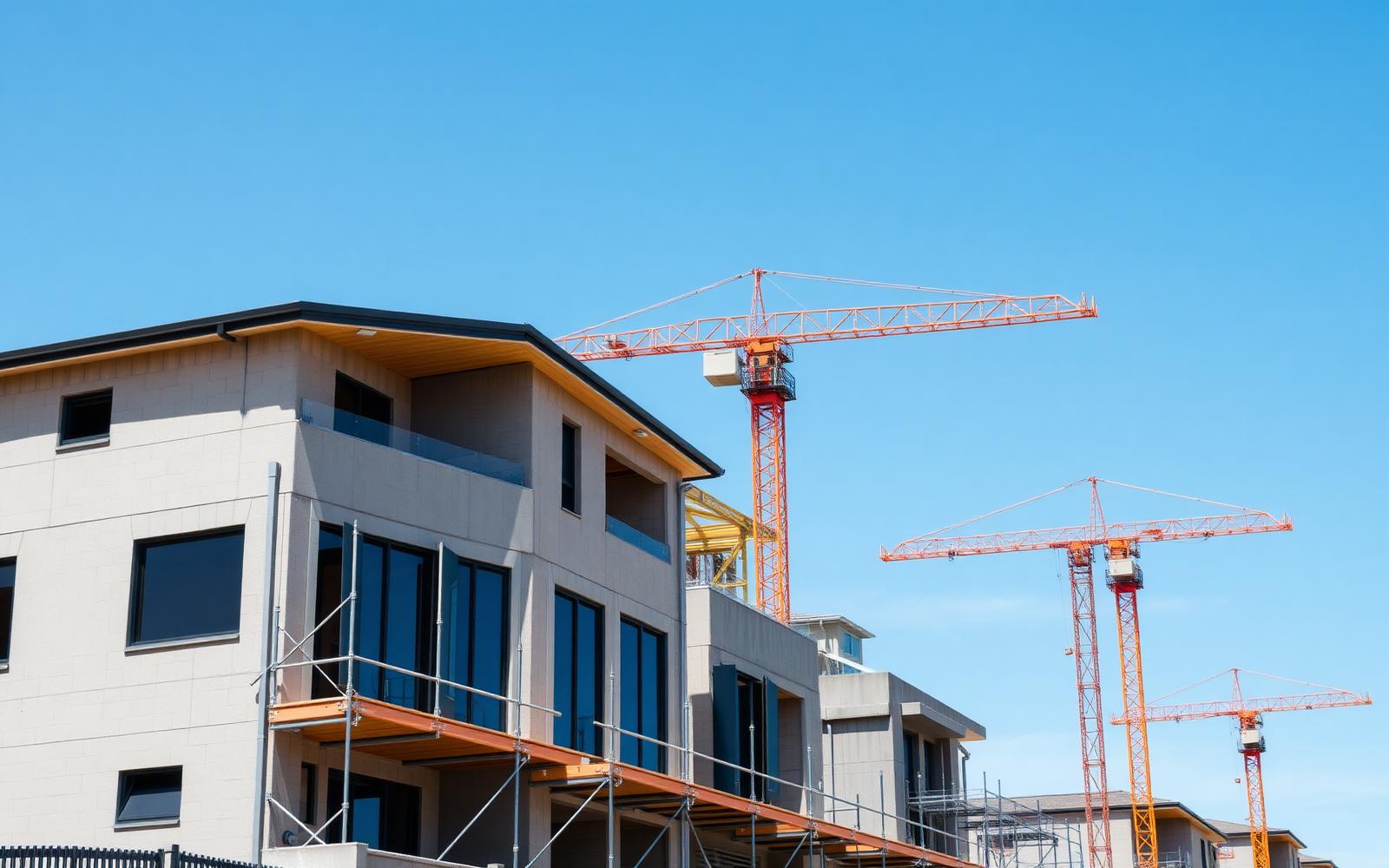
- Financing cranes or hoisting equipment for high-rise projects
- Managing cash flow gaps between project milestones and progress payments
- Purchasing specialized drilling or piling rigs for infrastructure works
- Acquiring light commercial vehicles for site supervisors and trade teams
- Refinancing existing plant debt to improve monthly cash flow
- Funding site office and temporary infrastructure installations
Assets we regularly finance in this sector
- Excavators and earthmoving machinery
- Cranes and lifting equipment
- Scaffolding and formwork systems
- Trucks and heavy haulage vehicles
- Paving and road surfacing plant
- Surveying and site technology equipment
- Concreting pumps and machinery
Frequently asked questions
Can we finance second-hand construction equipment?
Yes, many financiers we compare offer terms for used machinery. The age of the asset and its condition will influence the loan term and interest rate. Generally, providers prefer assets under 10-15 years old at the end of the term, though specialist lenders may consider older, high-value plant like cranes or specialized rigs.
How long does it take to get a construction loan approved?
For standard equipment like excavators or trucks, we can often secure indicative terms within 24 to 48 hours. More complex infrastructure projects or specialized machinery may take longer as lenders review project contracts and business financial statements. Our role is to streamline this process by presenting your application to the most suitable providers immediately.
What is the typical interest rate for construction finance?
Rates vary significantly based on the asset type, business credit profile, and the financier. Tier-1 bank lenders offer the lowest rates but have stricter criteria. Specialist asset financiers may charge more but offer higher approval rates and faster turnaround. We provide a comparison to help you understand the total cost of borrowing.
Do I need to provide my home as security?
In most equipment finance cases, the asset itself serves as the primary security. This is a significant advantage over traditional business loans that might require a mortgage over residential property. However, for large facilities or businesses with shorter trading histories, a director's guarantee is commonly requested by the finance provider.
Can I finance equipment if I have a bad credit history?
While major banks may decline applications with credit defaults, we work with specialist lenders who focus on the value of the asset and the current strength of your business contracts. If the equipment is essential for generating revenue and you can demonstrate serviceability, there are often viable finance options available for comparison.
Please note: Envision Finance is a finance comparison and referral service. We are not a lender and we don't provide credit licences or personal financial advice — the finance agreement is with the provider you choose, and you should read their credit proposal and contract before signing.