Why manufacturing businesses finance their equipment
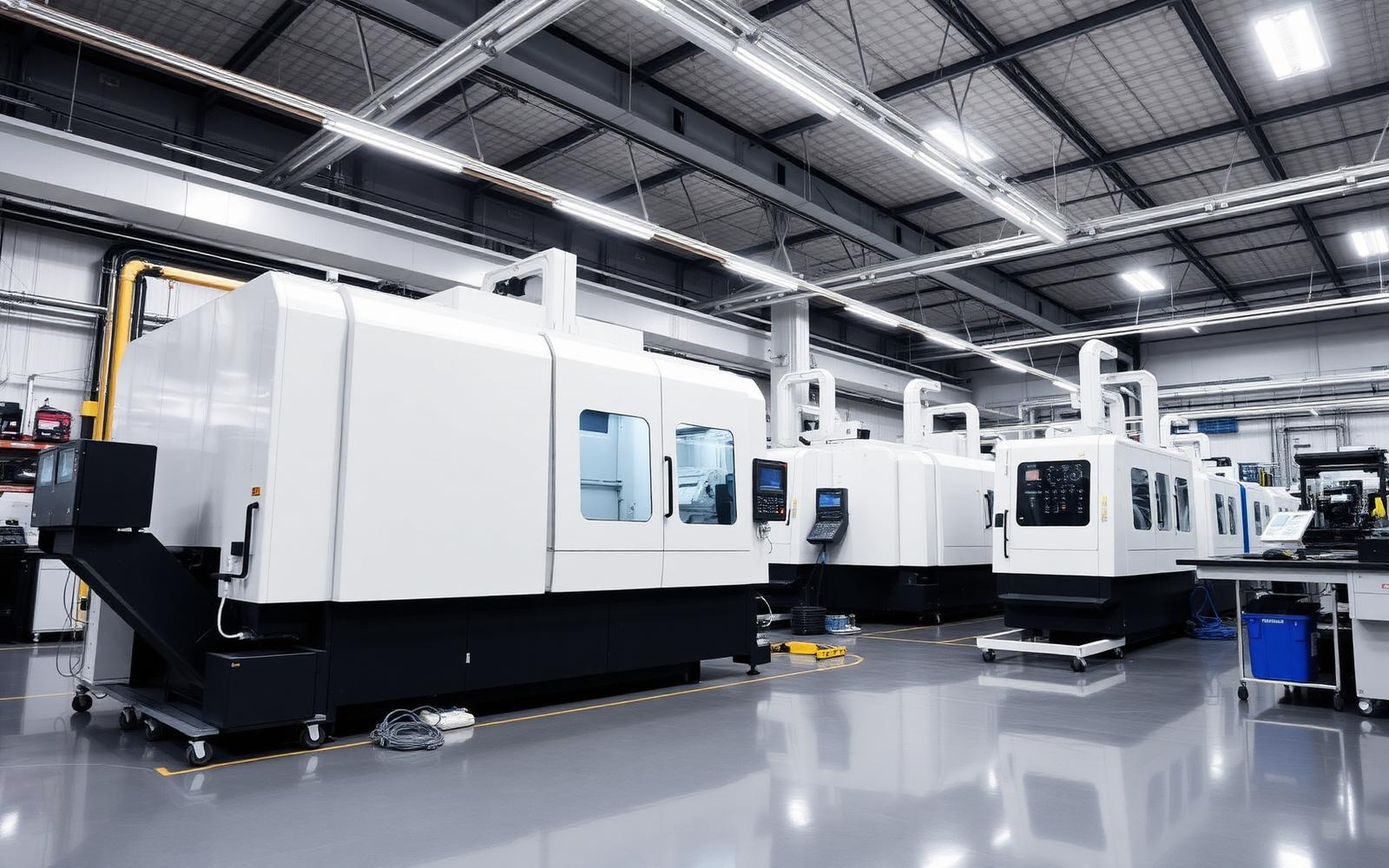
Manufacturing businesses often face a dilemma: to remain competitive, they must invest in expensive, high-tech automation and machinery, but these assets can take years to pay for themselves. Relying on property-secured debt can be restrictive and may not reflect the actual productive value of the machinery. Asset finance allows manufacturers to leverage the industrial equipment itself, often with terms that align with the machine's expected lifespan and output. Financiers in this sector look closely at the manufacturer's contract pipeline, the technological relevance of the equipment, and the overall efficiency of the production facility. The main trade-off is between the flexibility of shorter-term rentals and the lower total cost of long-term ownership via chattel mortgages. By comparing providers, manufacturers can optimize their capital structure, ensuring they have the modern tools needed to compete globally while keeping their balance sheet agile for future technological shifts.
Common funding scenarios for manufacturing businesses
- Financing CNC machines and precision tools
- Upgrading automated production and assembly lines
- Acquiring industrial robotics and smart factory tech
- Funding large-scale HVAC and power systems for factories
- Purchasing packaging and labelling machinery
- Managing cash flow for large raw material orders
- Refinancing older industrial plant to release equity
Assets we regularly finance in this sector
- CNC and milling machines
- Automated assembly lines
- Industrial robotics
- Plastic injection moulding machines
- Metal fabrication equipment
- Packaging and bottling lines
- Large-scale commercial printers
Frequently asked questions
Can we finance imported manufacturing machinery?
Yes, many financiers we compare offer import finance to help you purchase machinery from overseas. This can cover the letters of credit required by international suppliers and the subsequent conversion into a long-term equipment finance facility once the machine is installed.
What are the typical terms for heavy industrial equipment?
Because manufacturing machinery is often built to last, lenders may offer longer terms than for standard vehicles—sometimes up to 7 years for high-value plant. The specific term will depend on the asset's expected useful life and your business's financial health.
Do lenders require a deposit for manufacturing loans?
It depends on the lender and the asset. For new, standard machinery, some providers offer 100% finance (zero deposit). For specialized or custom-built equipment, a deposit of 10-20% might be required. We compare both options to find the structure that best fits your current cash position.
Can we finance the installation and training costs?
Many equipment finance facilities allow for a percentage of the total loan to cover 'soft costs' like delivery, installation, and initial staff training. This ensures you don't have a large out-of-pocket expense before the machine starts producing revenue.
What happens if we need to upgrade the machine before the loan ends?
We can compare financiers who offer flexible upgrade paths, allowing you to roll the remaining balance into a new facility for a more advanced machine. This is particularly important in industries with rapid technological changes, like electronics or fabrication.
Please note: Envision Finance is a finance comparison and referral service. We are not a lender and we don't provide credit licences or personal financial advice — the finance agreement is with the provider you choose, and you should read their credit proposal and contract before signing.